Schachenthal
William Tell (P. G. Wodehouse Edition)Schachenthal is a wild, sparsely visited ravine in the mountains and the setting of two encounters between William Tell and Hermann Gessler. Its steep rock wall and river make it a narrow passage with no easy way around; there, Tell’s blunt criticism of Gessler’s taxes begins a feud that shapes their later confrontation.
Setting and Terrain
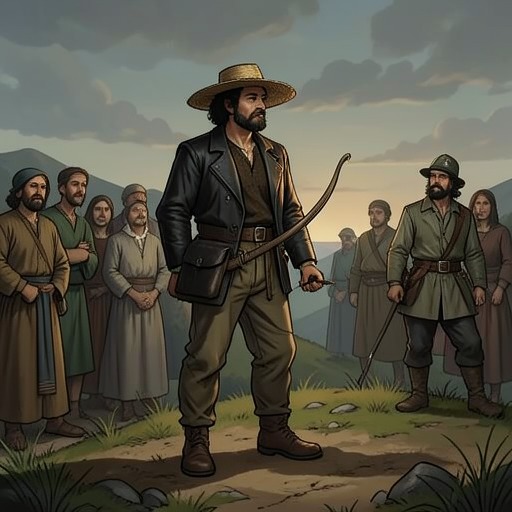
The ravine is described as a place where men were hardly ever seen. When Tell, out hunting with his crossbow, meets Gessler there, the terrain leaves no way to pass unnoticed or simply go around: a sheer rocky wall rises on one side, while the river roars below. The setting makes the encounter unavoidable, bringing the hunter and the Governor face to face in an isolated, constricted stretch of landscape.
The First Encounter
Tell confronts Gessler in Schachenthal and condemns his taxes on bread and sheep, warning that the Governor will come to a bad end. Tell then passes on scornfully, leaving Gessler to dwell on the insult. The encounter gives their antagonism a specific origin: Gessler thereafter holds a grudge against Tell and waits for an opportunity to repay him.
A Place Recalled
When Gessler later has Tell seized by two guards, he recognizes him and presses him about their earlier meeting. Tell firmly identifies Schachenthal as the place where they met; Gessler, in turn, recalls Tell’s remarks as the reason he remembers him. The ravine thus returns in the later scene not merely as a setting but as the remembered site of the grievance that Gessler now uses to taunt his captive.